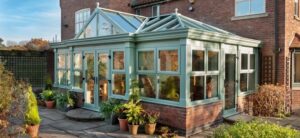
Renovating a Conservatory: Enhancing Space and Value in Your Home
With a resurgence in interest for home restorations, the conservatory has actually ended up being a focal point for homeowners aiming to add area, light, and elegance to their properties. When simply viewed as a captivating extension, conservatories can be changed into practical living areas that match different requirements, whether for relaxation, dining, or entertaining. conservatory repair cost will offer insights into renovating a conservatory, the considerations included, and how such modifications can add significant value to a home.
Why Renovate a Conservatory?
Before diving into the steps for renovation, it is vital to understand the benefits of updating a conservatory. Here are some compelling reasons:
- Increased Usability: An outdated conservatory might not contribute to year-round usage. Renovation can help create a more habitable space, making it ideal for each season.
- Improved Aesthetics: Over time, styles can wither. A renovation can revitalize the space, making it more contemporary and inviting.
- Improved Energy Efficiency: Older conservatories can suffer from poor insulation and single glazing, causing uncomfortable temperatures and greater energy bills. Renovating to include double or triple-glazing can enhance comfort and reduce costs.
- Boosted Property Value: A well-renovated conservatory can considerably improve a home's attract potential purchasers, often leading to a higher asking price.
Preparation Your Conservatory Renovation
Effectively renovating a conservatory requires comprehensive planning. Below are vital actions to think about before starting the task:
1. Assess Your Current Space
The very first step is to evaluate the present condition of the conservatory. This involves monitoring for wear and tear, leaks, and the general structural integrity. Key elements to check include:
- Roofing: Look for any signs of damage and determine if insulation is required.
- Frames: Check for decaying wood or rusting metal.
- Windows: Inspect for draftiness, clarity, and updates needed for energy effectiveness.
2. Define the Purpose
Identifying the main function of the renovated area is important. Potential alternatives include:
- A relaxing reading nook
- An elegant dining location
- A playroom for children
- A home office
3. Set a Budget
Renovation expenses can differ substantially based upon the scope of work. Describe a reasonable budget that includes materials, labor, and incidentals. It's likewise sensible to set aside a contingency fund for unforeseen costs.
4. Continue with Design Choices
The style of your conservatory should show its desired use while balancing with your home's general visual. Consider the following design components:
- Flooring: Choose durable, attractive floor covering choices such as tiles, laminate, or wood.
- Furnishings: Select furniture that matches the area, guaranteeing it is both functional and trendy.
- Lighting: Consider presenting natural light with skylights or improve the ambiance with pendant lighting.
- Environment Control: Incorporate heating or cooling systems to preserve comfy temperatures year-round.
5. Pick the Right Materials
When it comes to materials, energy effectiveness is crucial. Consider the following alternatives:
- Glass: Modern glass technology, such as low-E glass, helps maintain heat and decrease heat loss.
- Insulation: Proper insulation materials for the roof and walls can prevent getting too hot in summer season and extreme cooling in winter season.
- Frames: Upgrading to uPVC or aluminum frames can improve durability and maintenance.
6. Hiring Professionals
While some homeowners may opt for a DIY technique, employing experts can ensure that the renovation is executed to code and meets all security requirements. Look for recommendations for regional contractors, and ensure they have experience with conservatory renovations.
7. Acquire Necessary Permits
Before starting renovations, check with local authorities regarding building guidelines and needed authorizations. This step is important, particularly if structural modifications or extensions are prepared.
Execution of the Renovation
As soon as planning is complete, and essential licenses obtained, the renovation can begin. Ensure the renovation advances according to the plan, keeping open communication with contractors concerning timelines and advancements.
Frequently Asked Questions About Conservatory Renovation
What are the most popular designs for conservatories?
Some popular styles consist of Edwardian, Victorian, and contemporary designs. The choice depends upon personal preference and the existing architecture of the home.
The length of time does a conservatory renovation take?
The period can vary based upon the intricacy of the renovation but normally varies from a couple of weeks to a number of months.
What are the signs that my conservatory needs renovation?
Common signs include visible leaks, considerable condensation on windows, draughts, and difficulty maintaining a comfortable temperature level.
Can I use my conservatory in winter?
Yes, with correct insulation, double glazing, and sufficient heating, a conservatory can be utilized comfortably year-round.
Is it more cost-effective to remodel or replace a conservatory?
Renovating an existing conservatory can be more cost-effective, especially if the structure is still sound. However, if the conservatory is significantly weakened, replacement may be the much better choice in the long run.
Renovating a conservatory can change it into a flexible and aesthetically pleasing addition to a home. By conducting extensive preparation, comprehending the requirements of the space, and making informed choices concerning products and style, homeowners can effectively boost the functionality and value of their conservatories. Just like any home renovation task, cautious attention to information ensures that the result will be a stunning and long-lasting asset to the home.